Everything was running smoothly… or so it seemed.


Everything was running smoothly… or so it seemed.
In his bestseller “Atomic Habits” (2020), James Clear suggests that consistent 1% improvements over time can lead to extraordinary changes — improvements “as small as an atom, but as powerful as a tsunami.” These marginal gains can be applied in dealerships to optimize processes and achieve significant success.

The difference between a generic ERP and a DMS (dealership management system) isn’t apparent in everyday tasks, but in the satisfactory resolution of specific business situations. In this article, we delve into some of these differentiating features.
In numerous discussions with dealerships seeking management software, this question often arises, and while valid, it has a straightforward answer: dealerships utilize a DMS (Dealer Management System) because it’s tailored to empower them beyond the mere management or daily operations.
During our recent visit to NADA 2024, the largest automotive industry expo in North America, the focus was once again on the need for the after-sales department to become a key player.

When a dealership grows there comes a need for greater control and efficiency, ideally without investing additional time. Quick Alerts are part of Autologica’s solution set aimed at achieving this goal.

In an increasingly competitive industry, where companies seek to simplify commercial processes and transform customer habits, is it enough to continue doing the same things to build loyalty and retain customers?
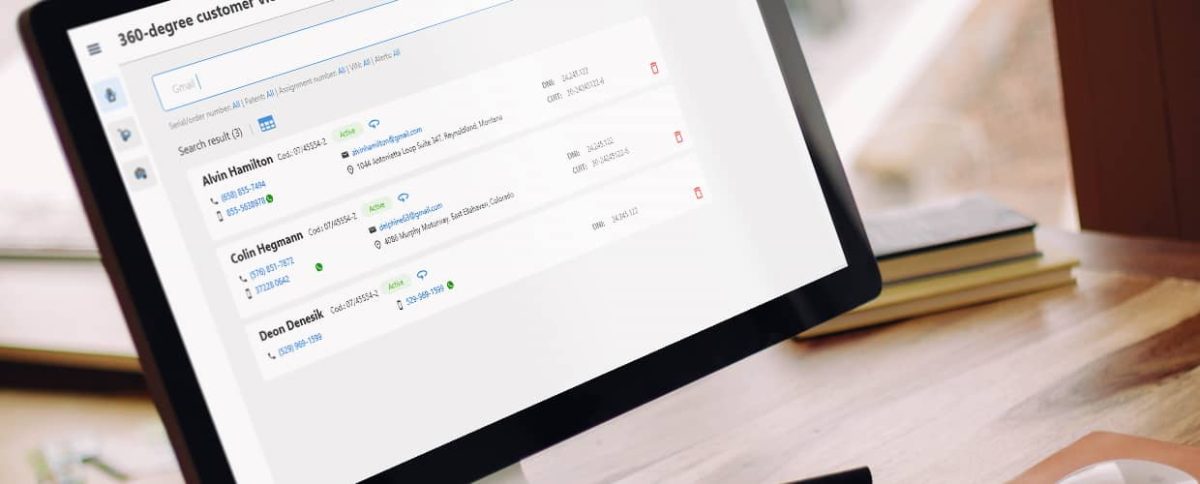
Access all customer and supplier information within the DMS, on a single screen and with just two clicks.

In the ever-changing world of auto dealerships, every moment counts. Managers, your quest is clear: providing your customers with an excellent experience while optimizing your operations for efficiency. Your DMS can help…let’s see how through some real-life examples.