Sometimes there are gut feelings, but no data to back them up; sometimes there’s data, but no real information. In a world where every action leaves a trace, how is that information used in an industry that never stops changing?


Sometimes there are gut feelings, but no data to back them up; sometimes there’s data, but no real information. In a world where every action leaves a trace, how is that information used in an industry that never stops changing?

Do you already have a system to manage your dealership? If not, this guide can help.

You don’t need to wait until the numbers turn red to control expenses. But if that’s already the case, there are ways to analyze them without wasting time or delaying decision-making.
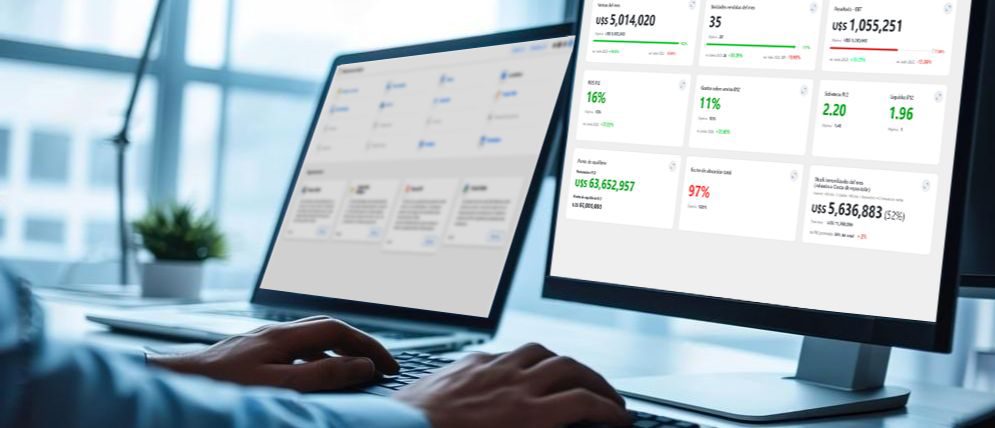
Autologica Analytics is transforming how dealerships use their data—making it easier to analyze information, increase sales, make better decisions, and implement strategic actions. To continue enhancing this powerful KPI analysis tool, we’ve added new dashboards that focus on sales management and profitability analysis for each vehicle transaction. Average Profit per Transaction You hit your sales […]

In this article It’s Monday. 9:00 AM. You haven’t even finished your coffee yet, and you’ve already received three urgent emails, a report filled with questionable data, and a message from your sales team saying, “We need to buy more leads because the ones we have aren’t working.” People are talking to you about AI, […]

It’s Monday morning, and you’re reviewing the quarterly numbers. Sales look good, but margins are lower than expected. In a challenging economic environment, you wonder if your annual goals are still within reach.
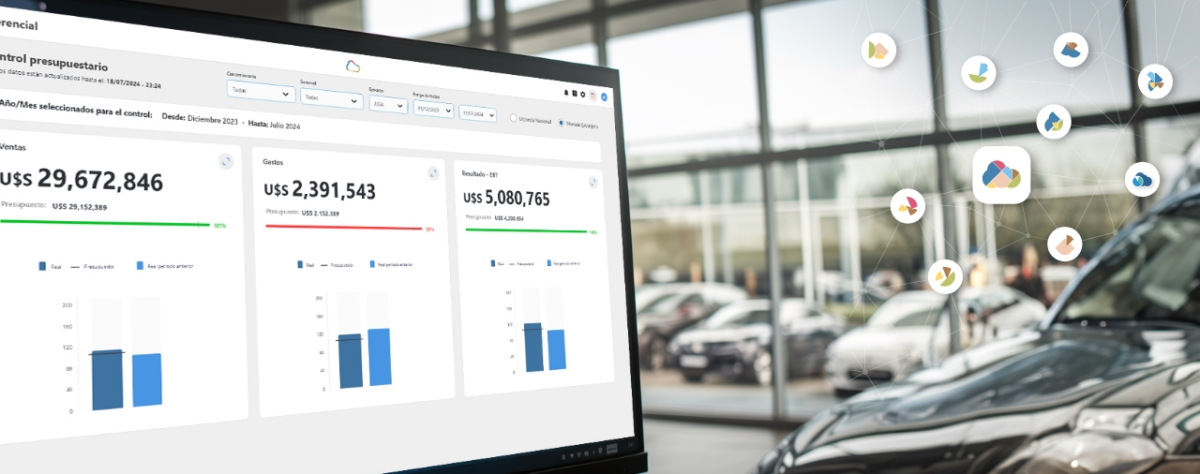
As the year-end approaches, it’s officially time to start preparing the dealership’s budget—both for the business as a whole and for each individual department—for the upcoming year. Undoubtedly, management will be engaged in meetings and negotiations to define the numbers. But once the budget is finalized… how will you monitor its execution? With Autologica Sky […]

Access to a wealth of data can be beneficial but also a double-edged sword; just because something is measurable doesn’t mean you need to measure it. Efficient management isn’t about amassing metrics, it’s about selecting the right indicators that drive strategic decisions. “The ability to identify new ways to measure makes a difference in successful […]

A single data point, on its own, doesn’t provide much value. It might not even mean anything. For example, celebrating that “we sold 50% more than last month” — does that really say much? If sales were zero the previous month, then that 50% increase is still zero. On the other hand, a 50% increase after a bad month, in an inflationary context, and due to a creative sales strategy, carries much more weight.